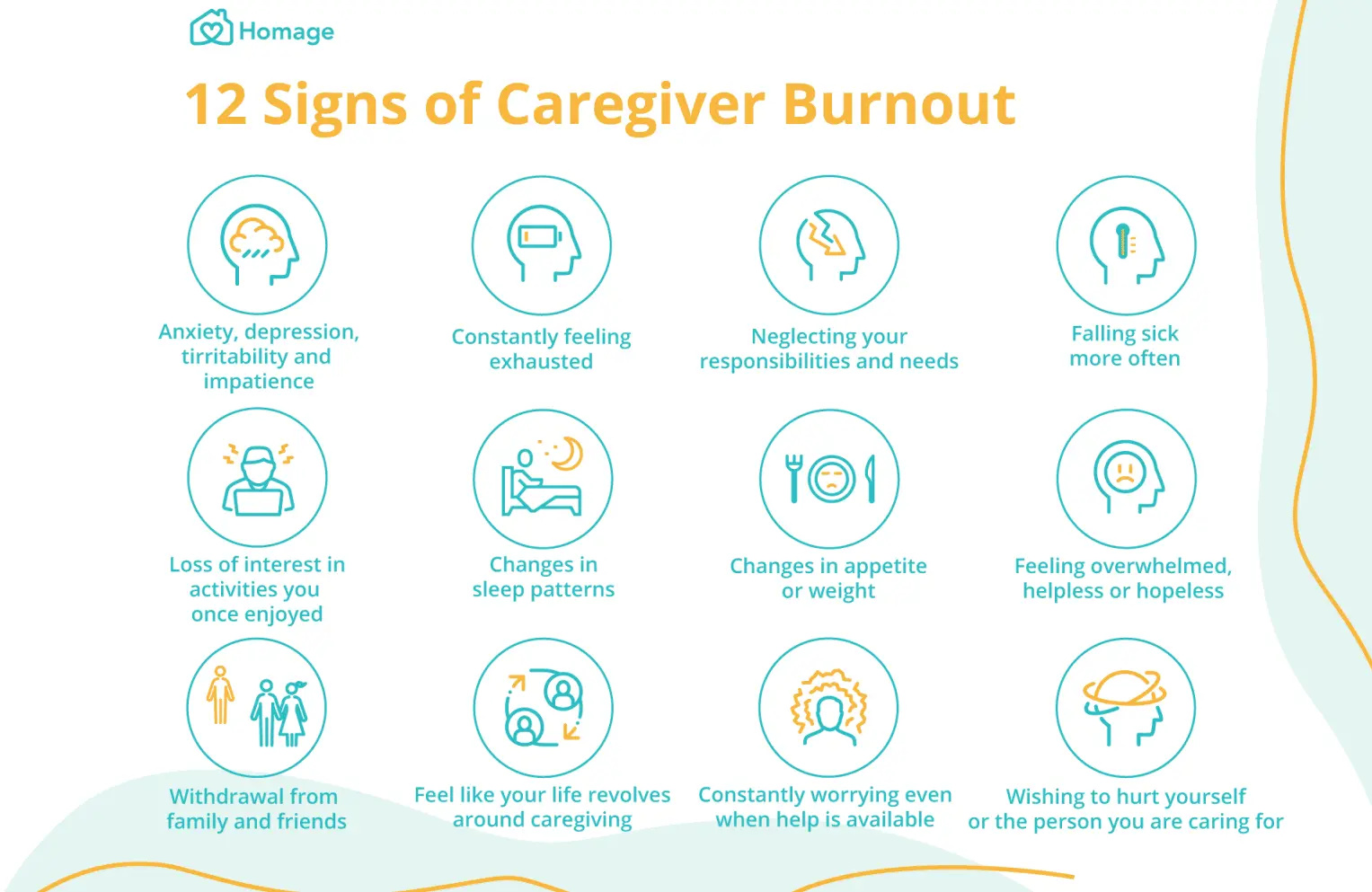
Caring for someone you love is often described as an act of kindness, devotion, and strength. What is spoken about far less is the emotional weight that comes with it — the quiet, invisible load that carers carry every single day.
No one really warns you about this part.
One day you’re a daughter, a son, a spouse, or a family member. The next, you are not only managing appointments and medication, but also emotions — theirs and your own. You are expected to stay calm, patient, and strong, even when you feel exhausted inside.
This emotional weight builds slowly. It does not arrive all at once. It settles in quietly and stays.
The Weight You Carry in Silence
Much of caring happens behind closed doors.
Outwardly, carers often appear capable and composed. They get things done. They show up. They cope. But internally, many carers are carrying a constant emotional strain that rarely has space to be expressed.
This weight includes:
- Worry about making the right decisions
- Fear of things getting worse
- Guilt for feeling overwhelmed
- Sadness that comes and goes without warning
- Pressure to stay strong no matter how you feel
Carers often hold these emotions in, believing they must not burden others or appear ungrateful. Over time, this silence can become heavy.
Feeling Strong on the Outside, Exhausted Inside
One of the most isolating parts of caring is the disconnect between how you look and how you feel.
From the outside, carers are often told:
- “You’re doing an amazing job”
- “You’re so strong”
- “I don’t know how you manage”
While these words are well-intended, they can unintentionally reinforce the idea that carers must always cope. There is little space in these moments to say, “I’m not okay.”
Many carers feel emotionally drained long before they realise it. The constant responsibility, the lack of rest, and the emotional vigilance required can leave carers feeling empty, numb, or disconnected from themselves.
This exhaustion is not a failure. It is a human response to prolonged emotional demand.
Guilt: The Emotion That Never Leaves
Guilt is one of the most common emotions carers experience, yet one of the least discussed.
Carers may feel guilty for:
- Feeling frustrated or resentful
- Wanting time to themselves
- Feeling relieved when someone else takes over
- Thinking about life beyond caring
Even acknowledging these thoughts can feel uncomfortable. Many carers judge themselves harshly, believing they should be endlessly patient and selfless.
But caring does not remove your humanity. Feeling overwhelmed does not mean you love any less. Guilt is often a sign that you are stretched beyond your limits, not that you are doing something wrong.
Grief While Your Loved One Is Still Alive
One of the most painful aspects of caring is a form of grief that few people talk about.
You may grieve:
- The person your loved one used to be
- The relationship you once had
- The future you imagined
This grief is complicated because the person is still physically present. There is no clear moment of loss, no clear permission to mourn. Yet the sense of loss is real and ongoing.
Carers often carry this grief quietly, unsure how to explain it to others or whether they are “allowed” to feel it at all. Over time, unacknowledged grief can deepen emotional exhaustion and sadness.
Loneliness in the Middle of Everything
Caring can be incredibly lonely.
Even when surrounded by people, carers may feel unseen and misunderstood. Conversations often revolve around the person being cared for, leaving little room for the carer’s own experiences.
Friends may drift away. Social plans become difficult. Life narrows.
Many carers find themselves longing for someone to ask a simple question and genuinely mean it:
“How are you coping?”
Without that space, loneliness can quietly grow.
Why Carers Don’t Speak Up
Many carers do not speak openly about their emotional struggles, and there are many reasons for this.
Carers may fear:
- Being judged
- Being seen as weak
- Being misunderstood
- Being told to “just cope”
Others may feel that asking for emotional support is selfish or unnecessary compared to the needs of the person they care for. Over time, carers may stop checking in with themselves altogether.
Silence becomes a habit.
Why These Feelings Matter
The emotional wellbeing of carers matters.
When emotional strain is ignored, it can lead to burnout, anxiety, low mood, and long-term health problems. Supporting carers emotionally is not an optional extra — it is essential.
Acknowledging the emotional weight of caring does not take away from the love or dedication involved. It simply recognises reality.
Carers deserve understanding, compassion, and space to be human.
A Gentle Reminder
If you are a carer reading this, it is important to know:
- Your emotions are valid
- Your exhaustion makes sense
- You are not weak for struggling
- You are not alone
Caring is demanding in ways that are difficult to explain unless you have lived it. You do not need to justify how you feel.
Why Carer’s Voice Exists
This is exactly why Carer’s Voice exists.
To speak about the parts of caring that are rarely acknowledged.
To give words to feelings that are often hidden.
To remind carers that their voice matters too.
You are allowed to feel.
You are allowed to struggle.
You are allowed to be supported.
This emotional weight deserves recognition — not silence.